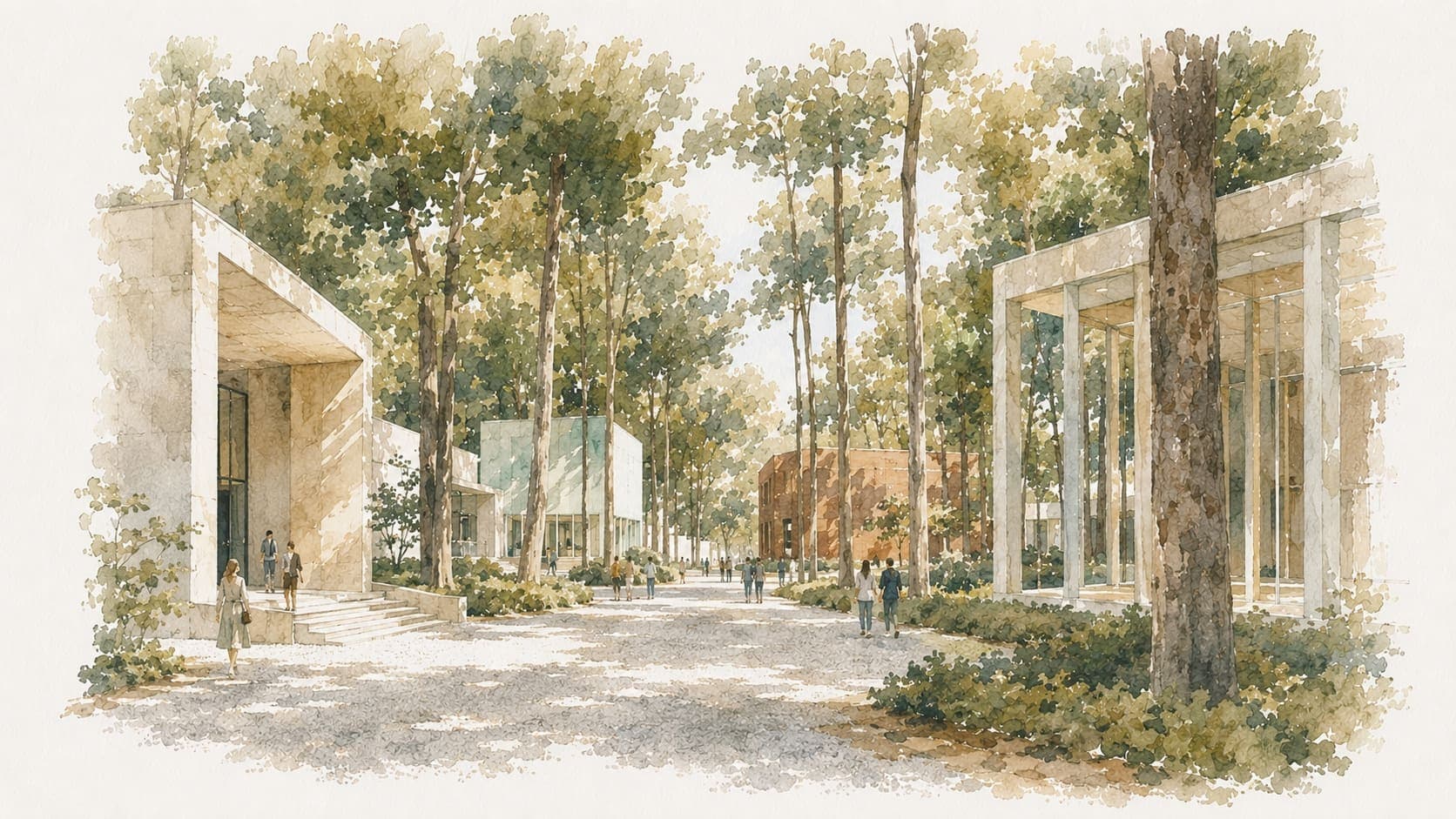
Venice Biennale 2026: The Complete Guide — How to See It, Not Just Tick It Off
The 61st International Art Exhibition runs until 22 November 2026. This is a Biennale you can't rush: In Minor Keys is about the slow walk, listening and memory. What follows isn't a reading of the art, but everything practical: how to plan a visit so the exhibition opens up, rather than ending as a line on a list.
In Minor Keys: what kind of Biennale this is
The 61st Venice Biennale opened on 9 May and runs until 22 November. Its title — In Minor Keys — was chosen by Koyo Kouoh, the first African curator to lead the Biennale. In music, the major key is marches and anthems; the minor is reflection, melancholy, depth. Kouoh turned away from the Biennale's noise and spectacle towards what is quieter: listening, memory, ritual. This is an exhibition you cannot walk through at speed — its emotional density keeps you in the rooms longer than you planned.
There is a tragic undertone to this edition. Kouoh died in May 2025, having already set the concept, chosen the artists and assembled the team. For the first time in the Biennale's history the exhibition was realised posthumously — exactly to its author's plan. The international jury, meanwhile, stepped down this year, and the Golden Lions were not awarded in the usual way. The practical upshot for a visitor is simple: there is no prize signpost this year pointing you to "the best". Your compass is critical consensus and your own attention.
We won't walk you through the exhibition pavilion by pavilion here. This article is about something else: how to physically move through the Biennale so that it opens up to you.
Dates, hours and tickets
Everything you need before you travel, in one place.
Dates. The exhibition runs until Sunday 22 November 2026. It's closed on Mondays, with a few exceptions across the season (the next open Monday is 16 November). The final weeks are traditionally the busiest.
Hours. Until 27 September — 11:00 to 19:00 (the Arsenale stays open to 20:00 on Fridays and Saturdays). From 29 September to the end of the season, autumn hours apply — 10:00 to 18:00, last admission 15 minutes before closing. If you're coming now, plan around the shorter daylight window.
Tickets. Full price €30, reduced €20 (over-65s, Venice residents), students and under-26s €16. Add a €0.50 presale fee. A single ticket gives one entry to each venue — the Giardini and the Arsenale — usable on different days. Buying online at the official labiennale.org is easiest; the ticket offices at the entrances work, but that means a queue. Entry tickets are not included in our tours and are paid separately.
Arsenale or Giardini: how they differ, and where to start
The key thing to understand in advance: these are two different venues with different characters — and you can't do both in a day.
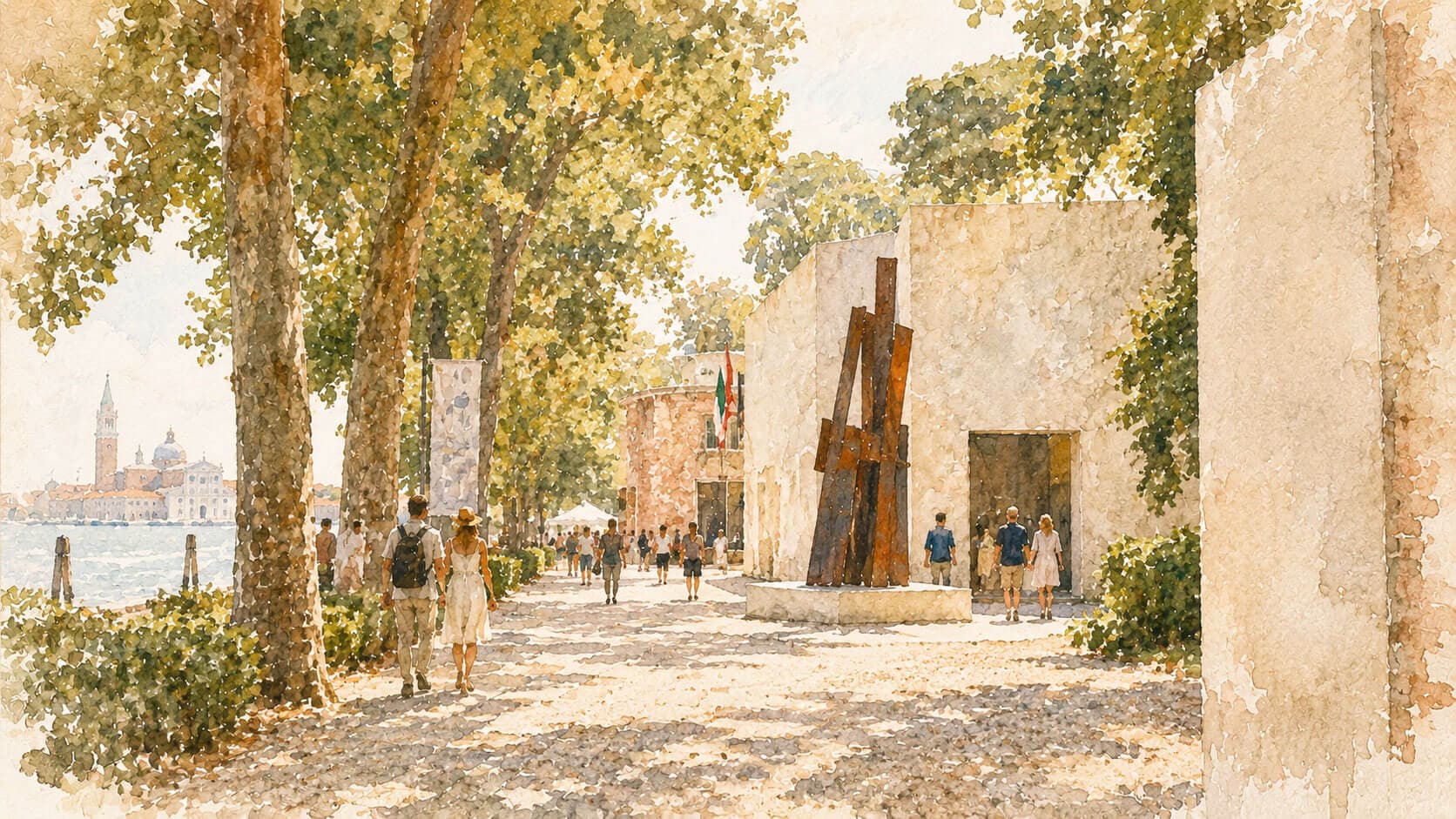
The Giardini is the Biennale's oldest heart — a park laid out under Napoleon, where since the late nineteenth century nations have built their own pavilions. There are two stories here at once: what a country shows, and how it chooses to present itself; plus the architecture of the pavilions, signed by the likes of Scarpa, Aalto and Stirling. If it's your first Biennale, this is the more logical place to start — it's the easiest place to grasp how the whole thing works.
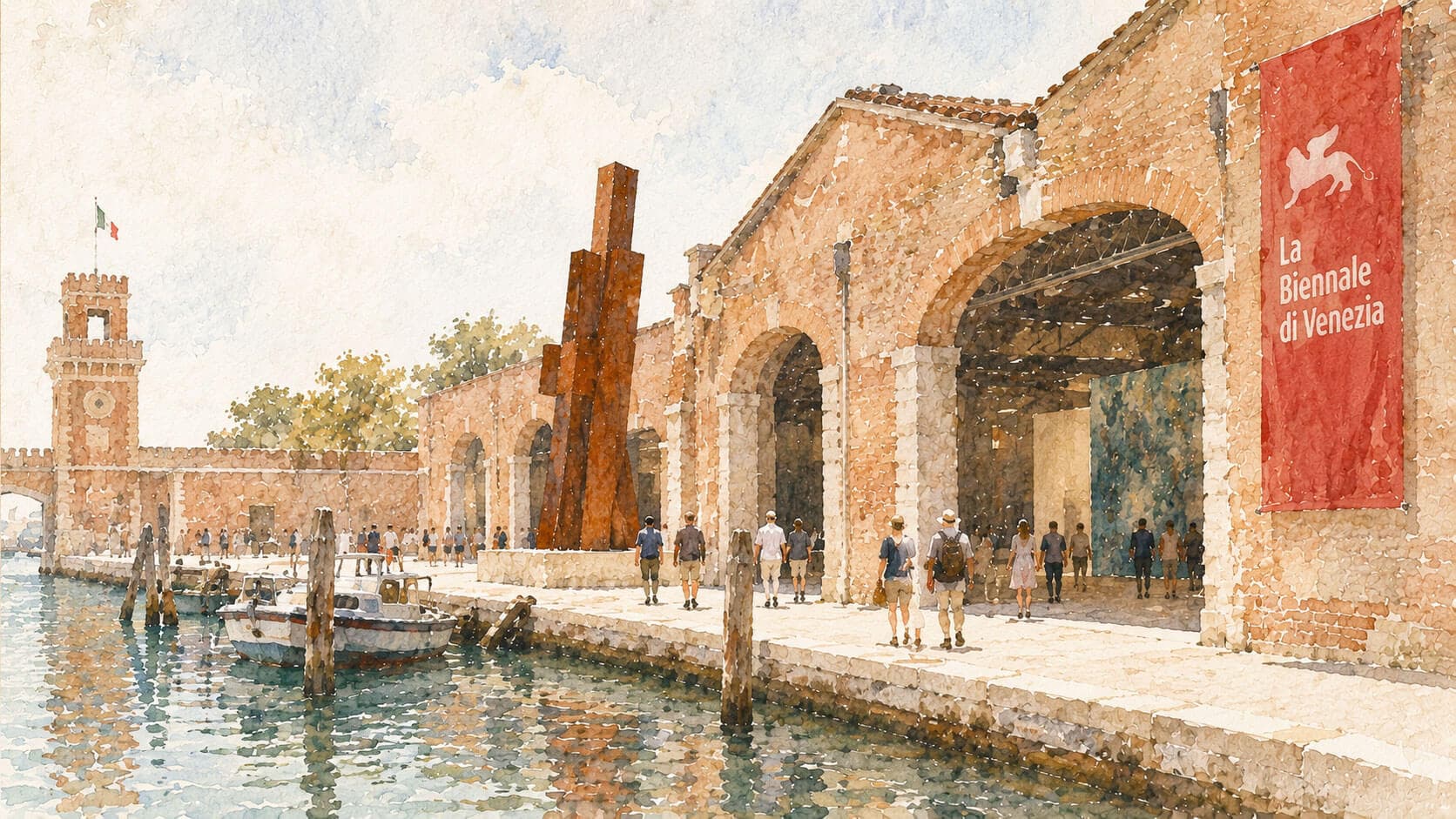
The Arsenale is the Republic's former naval shipyard — long shipbuilding halls that house the main curated project and part of the national participations. The space is more theatrical, and many feel this edition's tone suits it better.
Why not both in one day. Together they are hundreds of works across dozens of countries. Trying to take everything in a single day ends in fatigue by four o'clock and the sense that nothing was really seen — especially at an exhibition that asks you to slow down. The honest minimum for one venue is 3–4 hours.
We guide each separately: the Arsenale and the Giardini — 3–4 hours each, the main show plus a pavilion selection shaped to your interests.
How many days to allow: the honest maths
One day. Realistically, one venue only, done properly. Either the Arsenale or the Giardini. If you have a single day, take the one closer to you in spirit and don't try to squeeze in the second. If you'd also like to see the city itself, we have a one-day Venice route — about sequence, not speed.
Two days. The sweet spot. Day one the Arsenale, day two the Giardini, each without rush. It's the only way to see the whole Biennale and enjoy it rather than tick it off. Our complete Biennale over two days is built exactly this way.
Two days and more — with side-projects. If you want more than the official venues, add the city: the major institutions and projects beyond the main programme. Then the full day with a private finale or a private programme over several days is the right shape.
Logistics: how to get there and not lose the day
Getting there. Both venues are served by vaporetto — line 1 (the scenic one, along the Grand Canal and the Bacino), plus 4.1 and 5.1 (round the edge of Castello). The stops are named exactly that — "Arsenale" and "Giardini". In high season and at weekends they're packed; a private boat saves around an hour on each crossing and drops you closer to the entrance.
Where to stay. Castello is the most convenient — walking distance to both the Giardini and the Arsenale. San Marco is prettier but further, and in season that means slower and more expensive.
When to go. Autumn works in your favour: the opening-week crush is long gone, the light is low and golden, and an exhibition that asks you to slow down reads best right now. The flip side is that this is the high-water season; allow spare time and footwear for the weather. More on the seasons in our breakdown, and on high water without the myths and headlines here.
Where to eat nearby. Between the venues, don't waste time on the tourist terraces by the water — Castello has proper bacari serving cicchetti. What to order and how not to overpay is in our food guide.
Beyond the Giardini and the Arsenale: the city as exhibition
For six months the Biennale spills beyond the two venues. Major institutions — Punta della Dogana and Palazzo Grassi (the Pinault Collection), the Accademia, Ca' Pesaro — set the tone alongside the Giardini, and dozens of collateral projects are scattered through palazzi and foundations. Often it's here, away from the queues, that the Biennale sounds clearest — set aside a separate half-day for the city.
And there's a layer no guidebook lists: the independent Venetian scene beyond the official programme — projects with no institutions and no signage, reached only by arrangement. We build such a private finale into the full day; access is agreed in advance, for you.
Why the Biennale is better with a guide
Contemporary art is hard to read without context — especially this edition, where the meaning rests on tone rather than on labels beside the works. A guide changes the experience entirely: instead of wandering among hundreds of works wondering what matters, you follow a shaped route where each stop explains the next.
There's also a particular format — the Biennale through an artist's eyes: the tour is led not by an art historian from the outside, but by a working artist, from inside the craft. And on how to choose a guide in Venice without being let down, we have a separate checklist.
Frequently asked
Until when does the Biennale 2026 run?
Until Sunday 22 November 2026. The final weeks are traditionally the busiest.
Where do I buy tickets?
Online at the official labiennale.org is easiest. There's a single ticket for both venues (one entry each) and reduced categories. The ticket offices at the entrances work, but that means a queue.
How much is a ticket?
Full price €30, reduced €20 (over-65s, residents), students and under-26s €16, plus a €0.50 presale fee. Tickets are not included in the tours.
How much time do I need?
At least two days if you want both venues without rushing. In a single day you can realistically do only one — the Arsenale or the Giardini.
Can I do the Arsenale and the Giardini in one day?
Technically yes, but you shouldn't: the volume is too large, and by the end both attention and enjoyment fade. We split them across two days on principle.
What are the opening hours?
Until 27 September — 11:00–19:00 (the Arsenale to 20:00 on Fridays and Saturdays). From 29 September — 10:00–18:00. Closed on Mondays, except a few dates.
Where's best to stay during the Biennale?
Castello — walking distance to both venues. San Marco is prettier but further, and pricier in season.
Is it worth coming now, in autumn?
Yes. The crowds have thinned, the light is golden, and an "in minor keys" exhibition reads best right now. Keep the high-water season in mind.
Are there tours in English?
Yes. Russian and Italian are fluent; English is available on advance request, so the guide can prepare.
Can I access closed venues and off-programme projects?
The early-May previews are over, but private viewings and independent projects beyond the main programme run all season — access is arranged individually.
The In Minor Keys Biennale rewards those who go slowly, know where to look, and have the right doors open to them. There isn't long left until 22 November — if you'd like to see it as it was meant to be seen, write to us and we'll build a route around your dates.
Tours on this subject
3–4 hours · from €850
Biennale: the Arsenale — main show and best pavilions
3–4 hours · from €850
Biennale: the Giardini — garden of national pavilions
~6 hours · from €1590
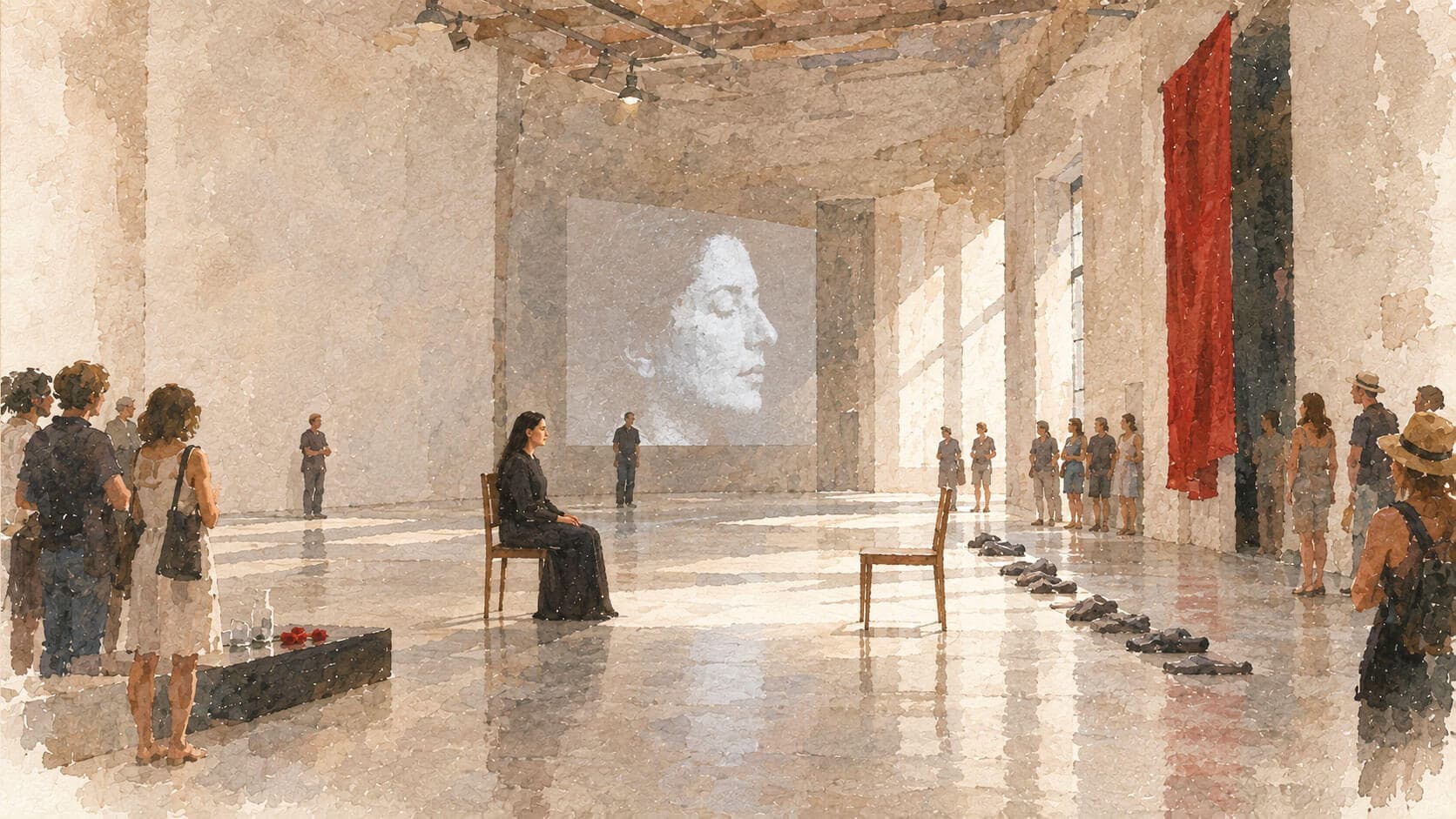
Biennale in a day: the Arsenale + a private off-programme project
2 days, 3–4 hours each · from €2190
The complete Biennale: Arsenale and Giardini, unrushed
3–4 hours · from €1290
The Biennale through an artist's eyes
On request · Individual quote
Private curated programme